- Product Design
- UX Research
- Interaction Design
- Design Systems
- Prototyping
- Usability Testing
Turning a one-week orientation tool into a year-round system for belonging, exploration, and habit building.
Awarded Best Capstone Project
- Client
- Dietrich College of humanities & social sciences, CMU
- My Role
- Product & UX Design Lead
- Timeline
- Jan - May 2026
- Team
- Esther Lin, Farah Daveau, Crystal Cheng, Yining He
Overview
Where ScottyU Started
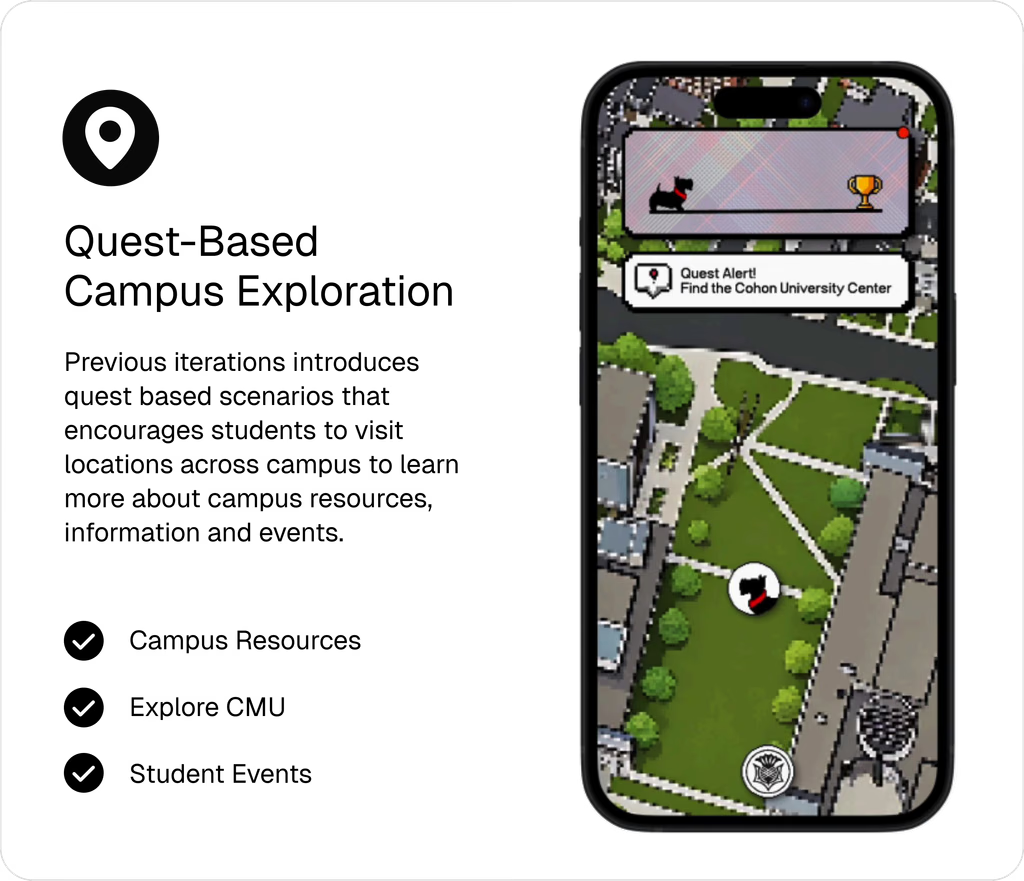
Scottyu was originally pitched as an interactive, gamified hub of information for first - year students using pixelated, nolstagic icons and interface.
What Worked
The quest - based system transformed onboarding from passive information consumption into active participation.
More Exploration
Encouraged students to get out and explore campus.
More Engagement
Made onboarding fun, playful, and more memorable.
More Discovery
Helped students learn about campus in an interactive way.

“The challenge isn't getting students to download the app [...] giving them a reason to come back.”
Existing Challenges
Problem Context
Despite strong early engagement, ScottyU struggled to retain students beyond Orientation Week.
Sébastien and his team partnered with us to reimagine the experience and identify ways to create lasting value that would keep students returning long after their initial transition to campus.
Initial Observations
Looking into the previous team's notes after launch and using the app ourselves, we got an idea on why the this happened
Support was concentrated at the beginning
Resources helped students arrive, but did not grow with them throughout the year.
Information alone did not motivate action
A hub can only explain what students should do, but not help them follow through.
The experience lacked a larger incentive system
Individual quests felt disconnected, making progress difficult to understand or value.
User Research
some content blurred for participant privacy
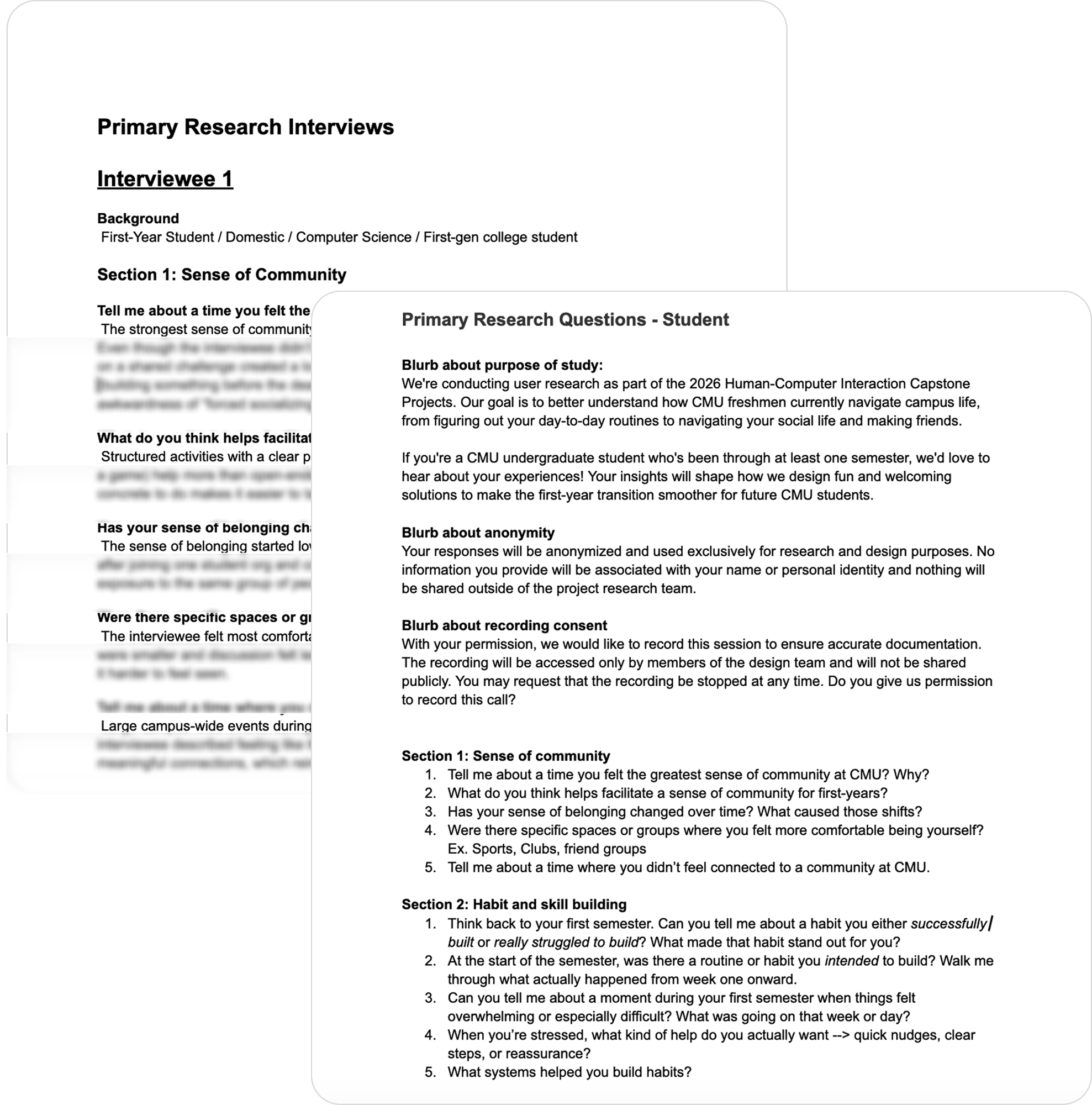
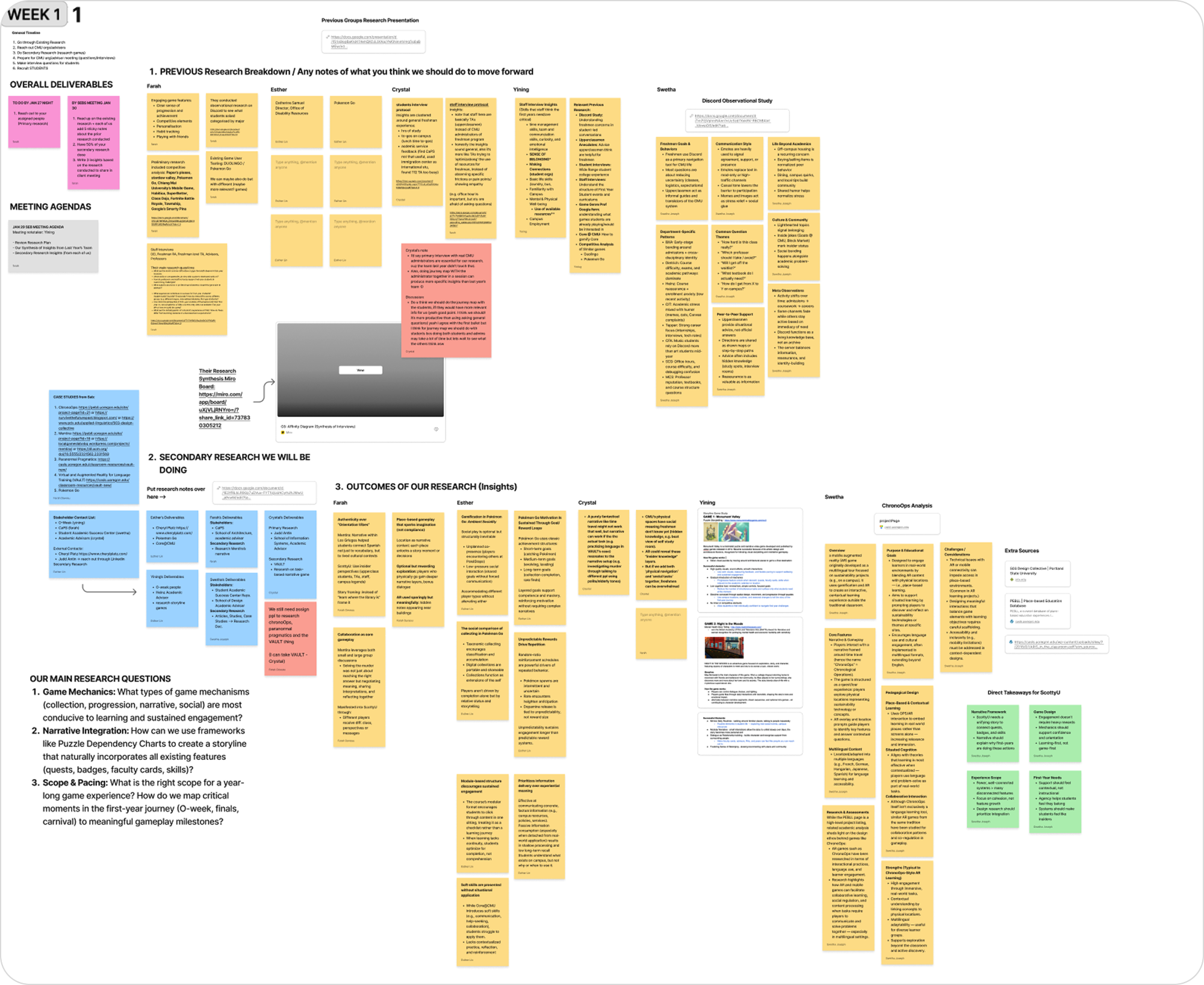
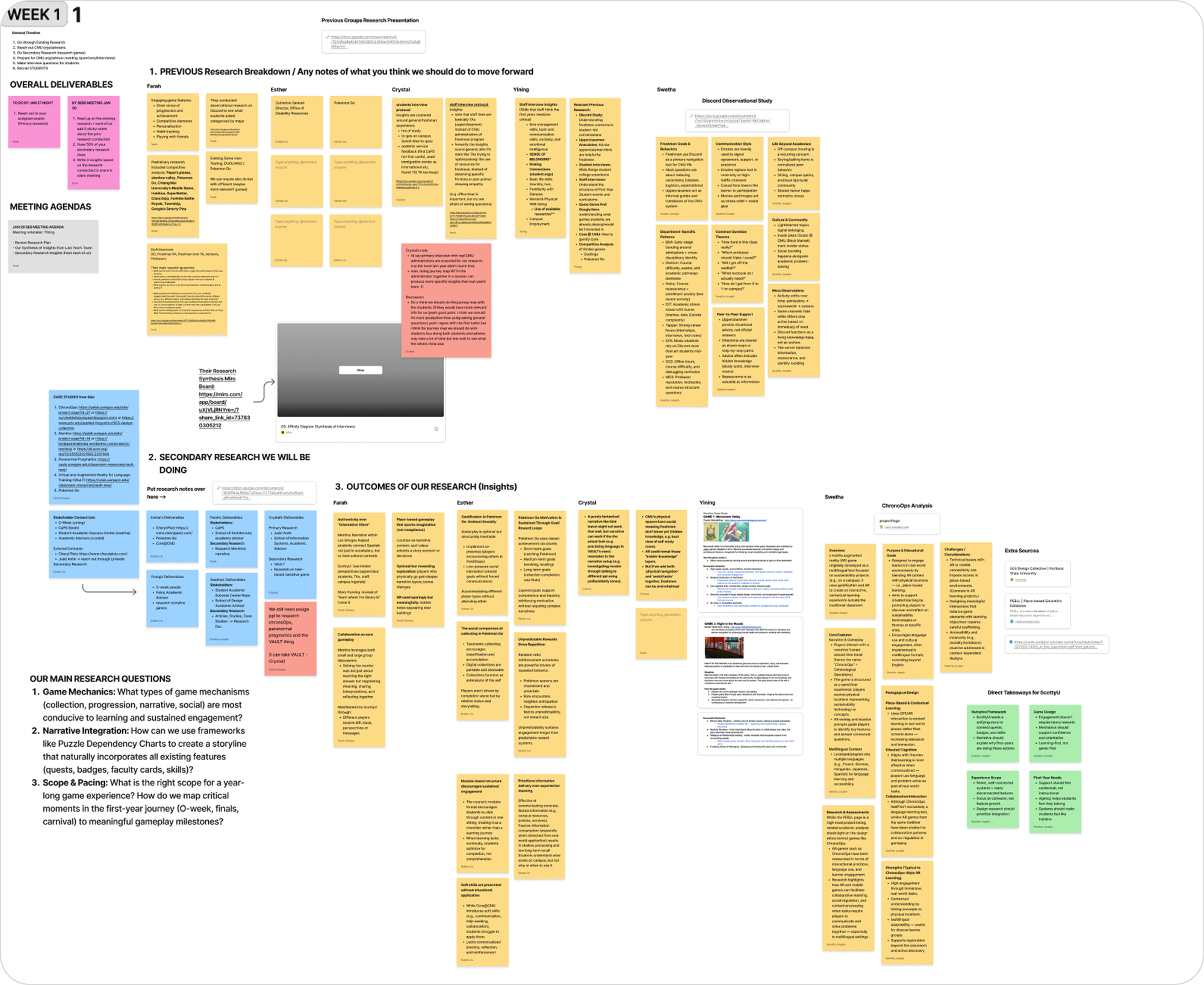
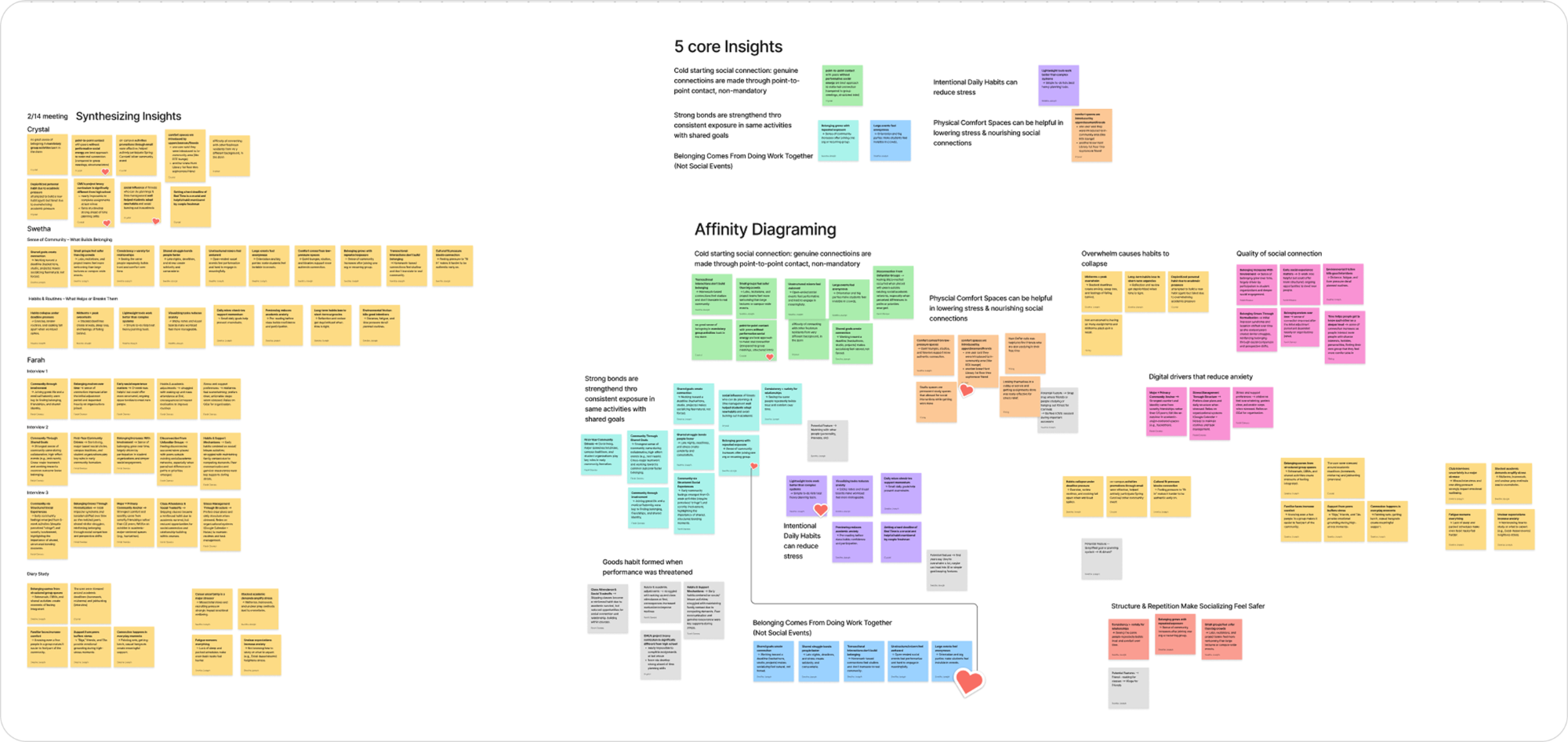
As Team Lead, I led research to understand what makes game-based experiences effective for first-year students through interviews, and behavioral analysis uncovering the motivations, habits, and moments that drive engagement, belonging, and personal growth.
Project Goals
Problem
Students lack centralized guidance for navigating personal, social, academic development in first year

Approach
Experiential yet guided experience comprised of incremental activities for personal growth
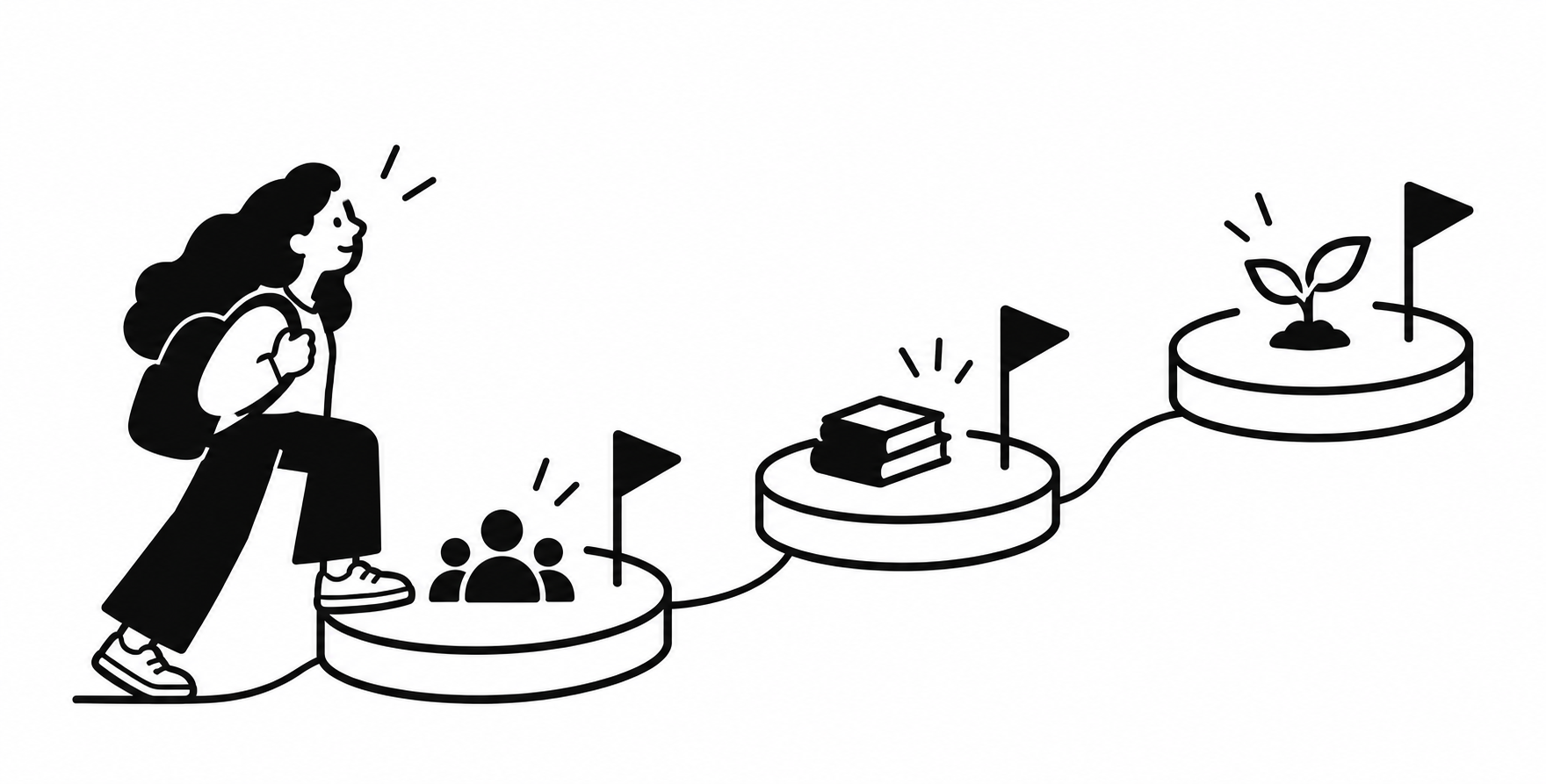
Value
Creating a fun, shared environment that encourages growth and belonging
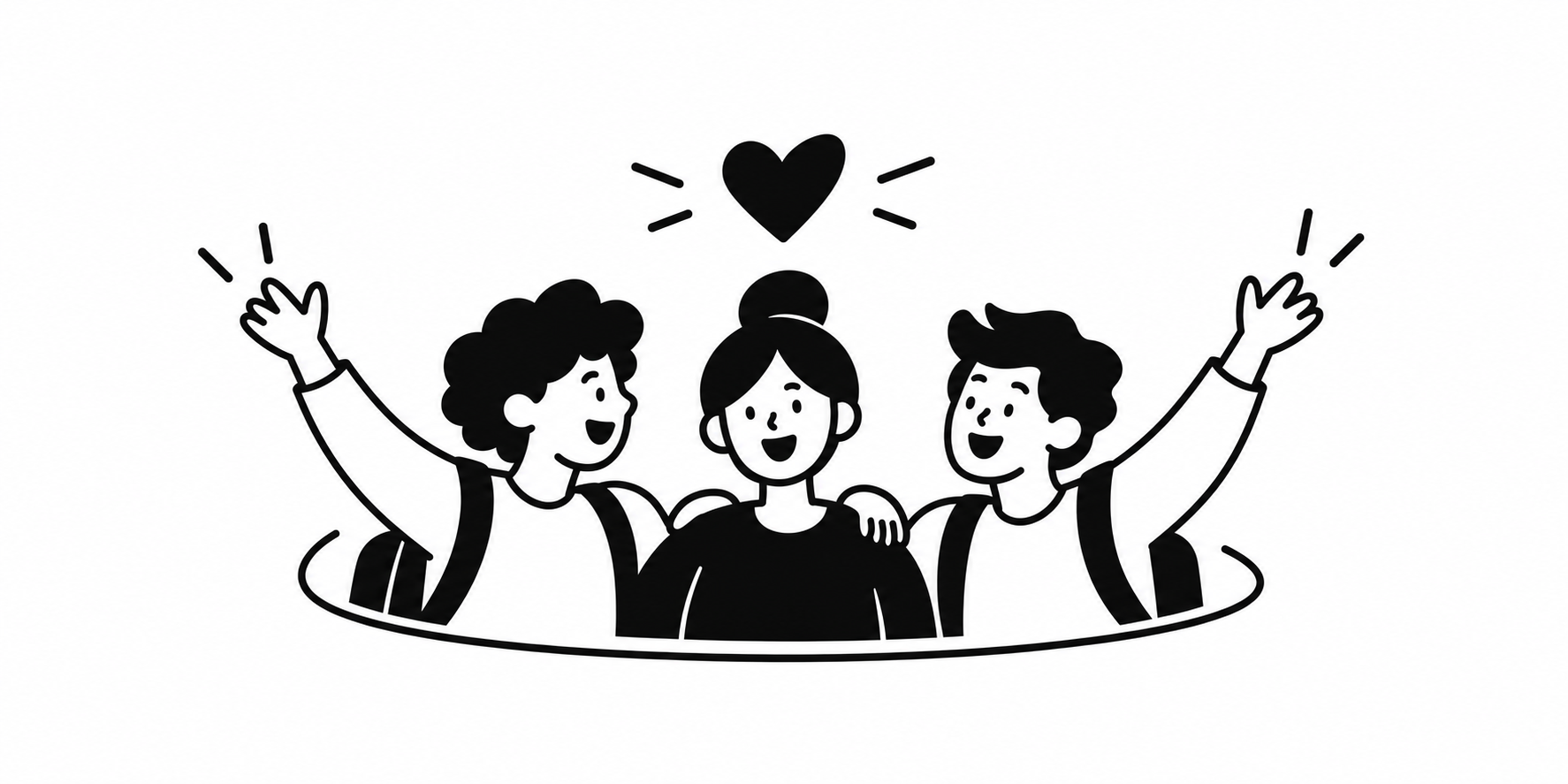
Product Framework
A year-long onboarding experience
ScottyU is designed to support students throughout their entire freshmen year. The experience is divided into seven chronological levels that align with key milestones in the academic calender. As students move through the year, new quests unlock.
This case study focuses on Level 1: reimagining Orientation Week as the foundation for sustained engagement throughout the first year.

01
Main Quests
At key milestones throughout the first year, students unlock guided quests designed to encourage campus exploration, meaningful connections, and personal growth.
This walkthrough highlights Move-In Day, the first Main Quest of Orientation. After meeting her roommate, a student selects a collaborative quest path that guides them through exploring their residence hall, connecting with floormates, and completing shared activities. Along the way, they capture photos of key moments, which can later be shared on ScottyMoments, extending the experience beyond the quest itself.
02
Side Quests
Side Quests are optional experiences that encourage students to build lasting habits and pursue personal interests throughout the year.
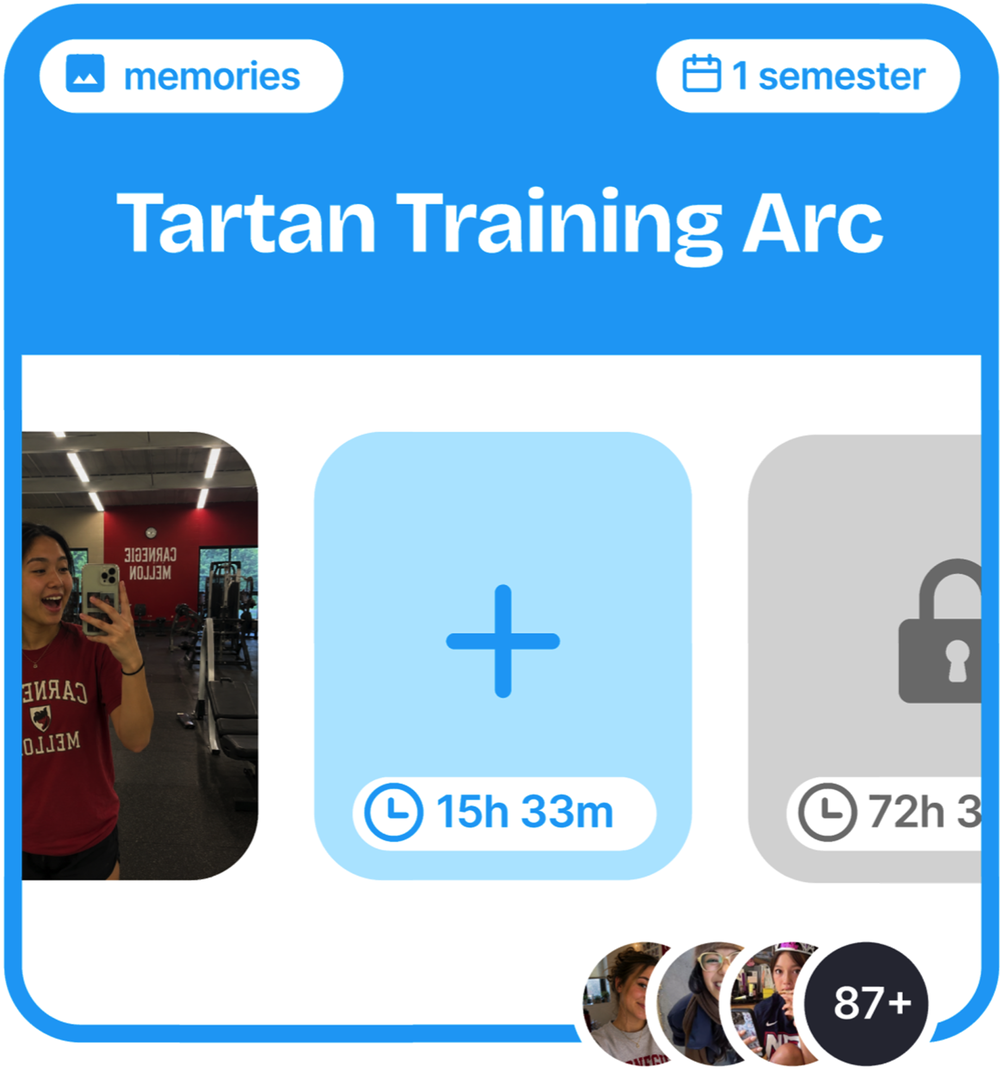
This example follows a student participating in the "Tartan Training Arc," a fitness-focused Side Quest. As they complete each challenge, they document their progress through milestone photos shared on ScottyMoments, inspiring others to follow along or join the journey.
03
ScottyMoments
As students complete Quests, ScottyMoments captures their experiences into personalized photo albums, creating a visual timeline of their growth, memories, and connections throughout the year.
04
Reward System
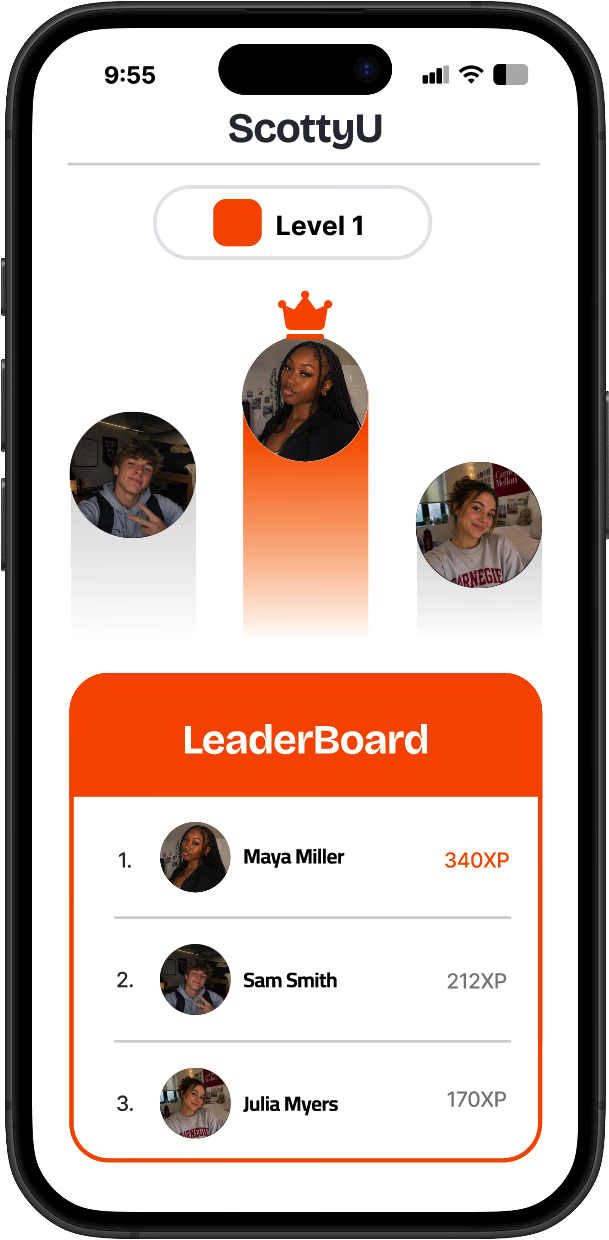
ScottyXP measures student engagement through completed Main Quests, Side Quests, and ScottyMoments. Organized by date-based Levels, students can redeem earned XP for rewards like gift cards and CMU merchandise.
05
Reward System
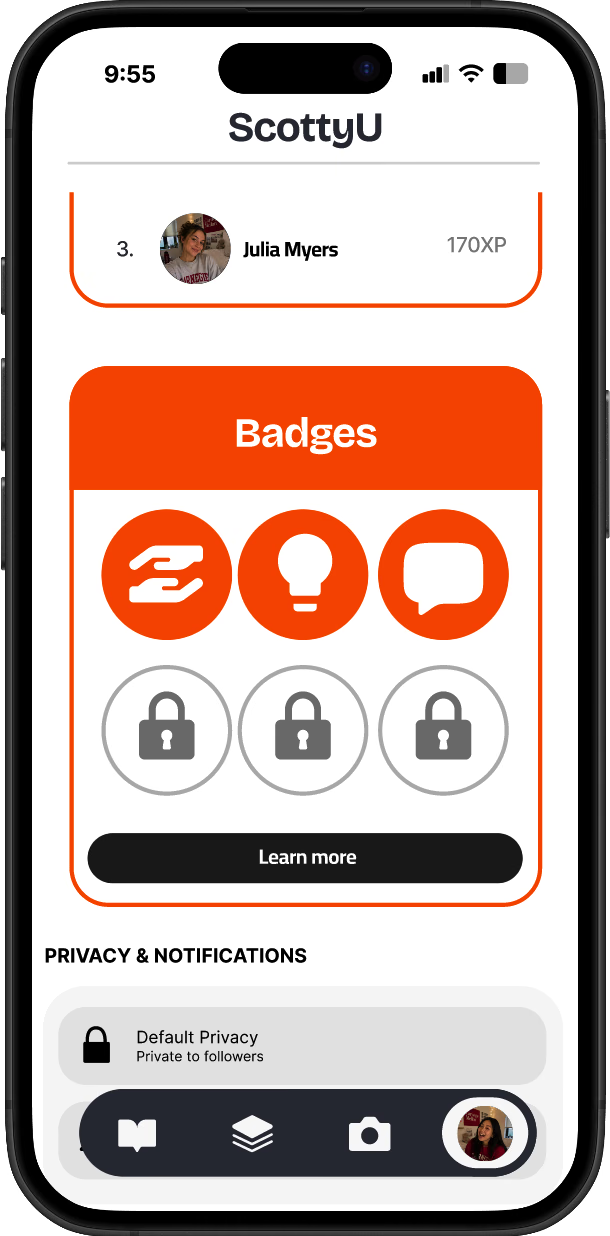
Attribute-Based badges reflect the types of quests students engage with, helping personalize the experience while building a profile of their interests, habits, and campus involvement over time.
Product Strategy
Leading design question
How might we transform ScottyU from a one-time orientation tool into an experience students return to throughout their first year?
Taking What Works
Location-Based Games
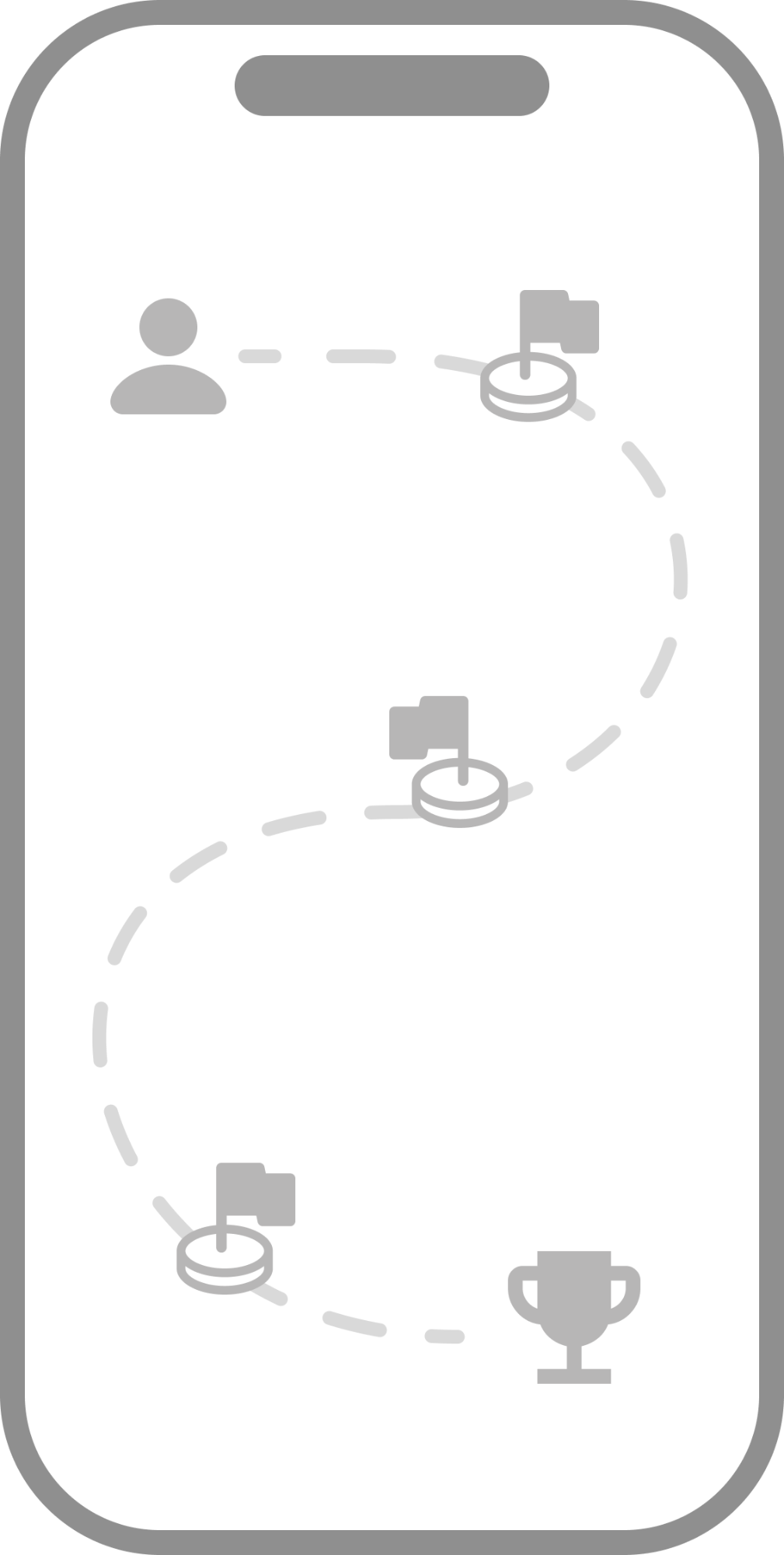
Location-based gameplay remained an important part of the new iteration, but was reimagined to better support onboarding and campus exploration.
Promotes curiosity and self-directed discovery
Creates memorable, real-world experiences beyond the screen
Helps students build familiarity with important spaces.
Makes onboarding more interactive and engaging
Value
By connecting digital interactions with physical campus spaces, the experience helps students feel more confident, connected, and comfortable navigating their new environment.
Research & Exploration
What makes Games Fun?
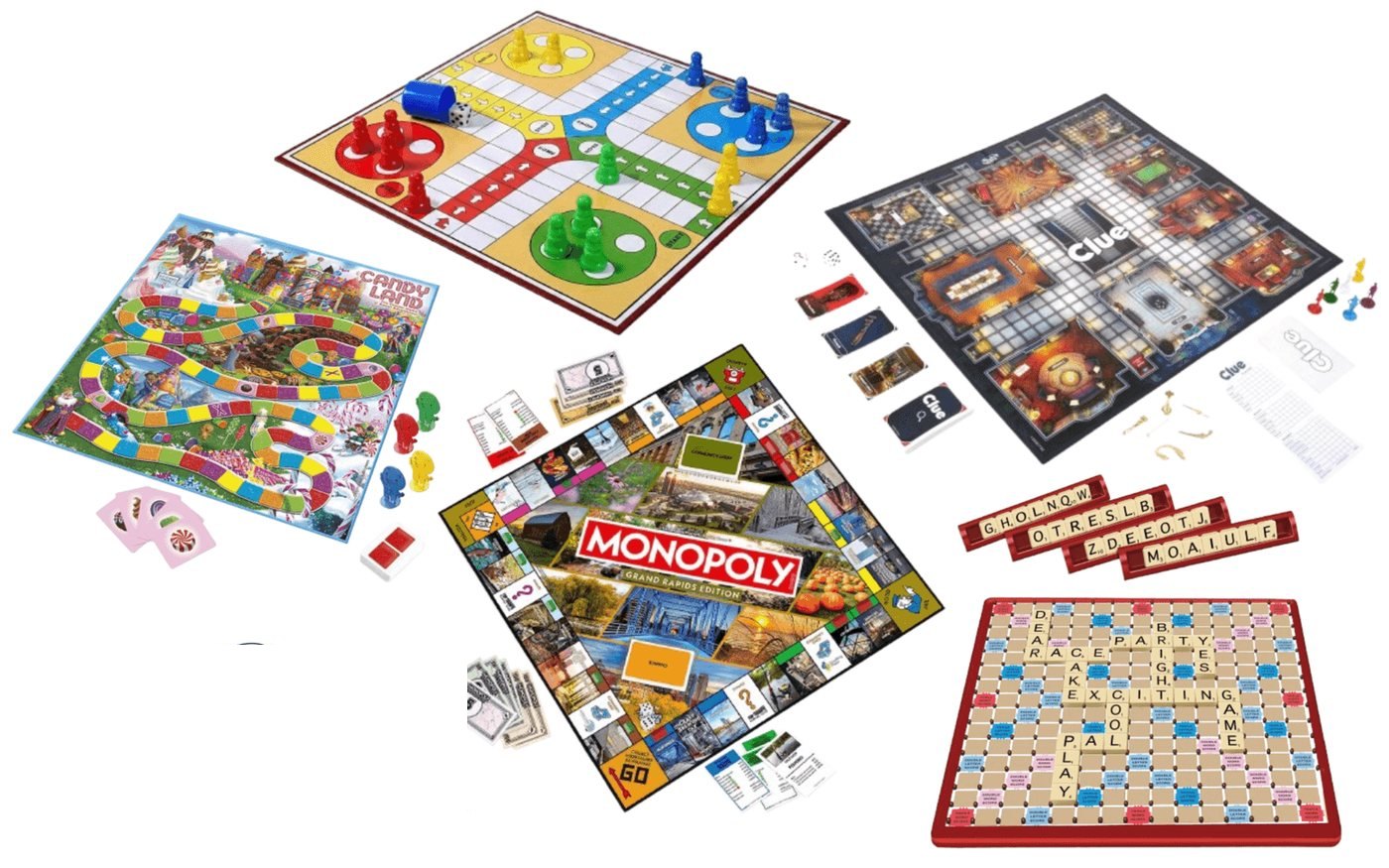
We began by studying mobile games and social platforms like Pokémon GO, Instagram, and Snap Map to understand what encourages exploration and repeat engagement. However, board games offered a more compelling model for rethinking ScottyU's experience.
Unlike linear, task-based interactions, many board games balance clear objectives with player choice, using branching paths, collaborative challenges, and progressive rewards to sustain engagement. We saw an opportunity to apply these mechanics to ScottyU, transforming isolated activities into a flexible, socially driven experience that students could return to throughout their first year.
Key Takeaway
creating an onboarding experience that balances structure with freedom, encourages curiosity, and rewards exploration instead of feeling like a checklist.
Proposed app direction
Original Flow
01
Visit Location
Go to a specific place on campus
02
Complete Task
Finish assigned task at the location
03
Earn Completion
Receive credit for completing the task
04
Done
End of quest
Proposed Flow
Side Quests
Main Quests
ScottyMoments
01
Choose your Path
Pick a path aligned with your interests and goals
02
Complete Challenges
Tackle daily challenges that move you forward
03
Earn XP & Level Up
Gain XP and level up your profile
04
Share Moments
Post photos and updates to celebrate your wins
05
See Everyone's Progress
Explore the CMU community feed and cheer on your friends
Feature Breakdown
Main Quests
School-led challenges released at key moments throughout the first-year experience
Timed quests released to the entire class
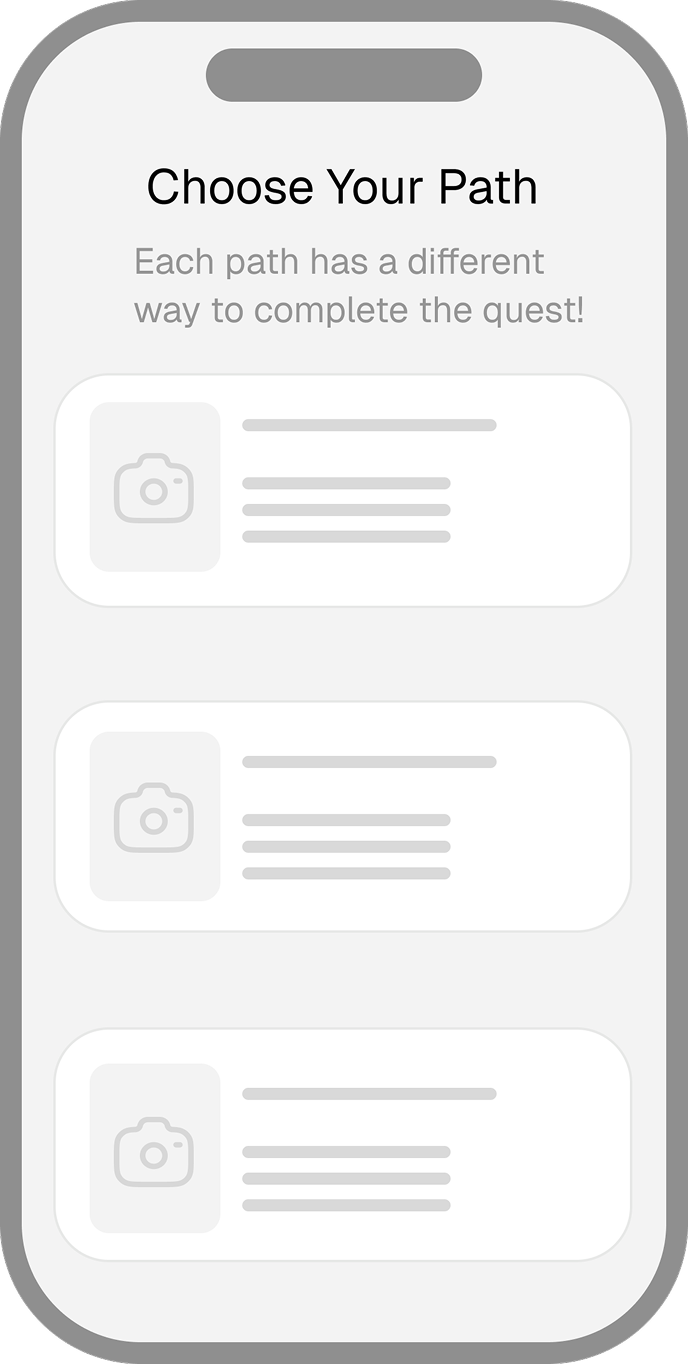
Choose your own path to complete the challenge
Complete milestones with photo check-ins
Earn XP and unlock community sharing
Value
Provides guidance during transition and turns orientation into a shared, memorable experience
Side Quests
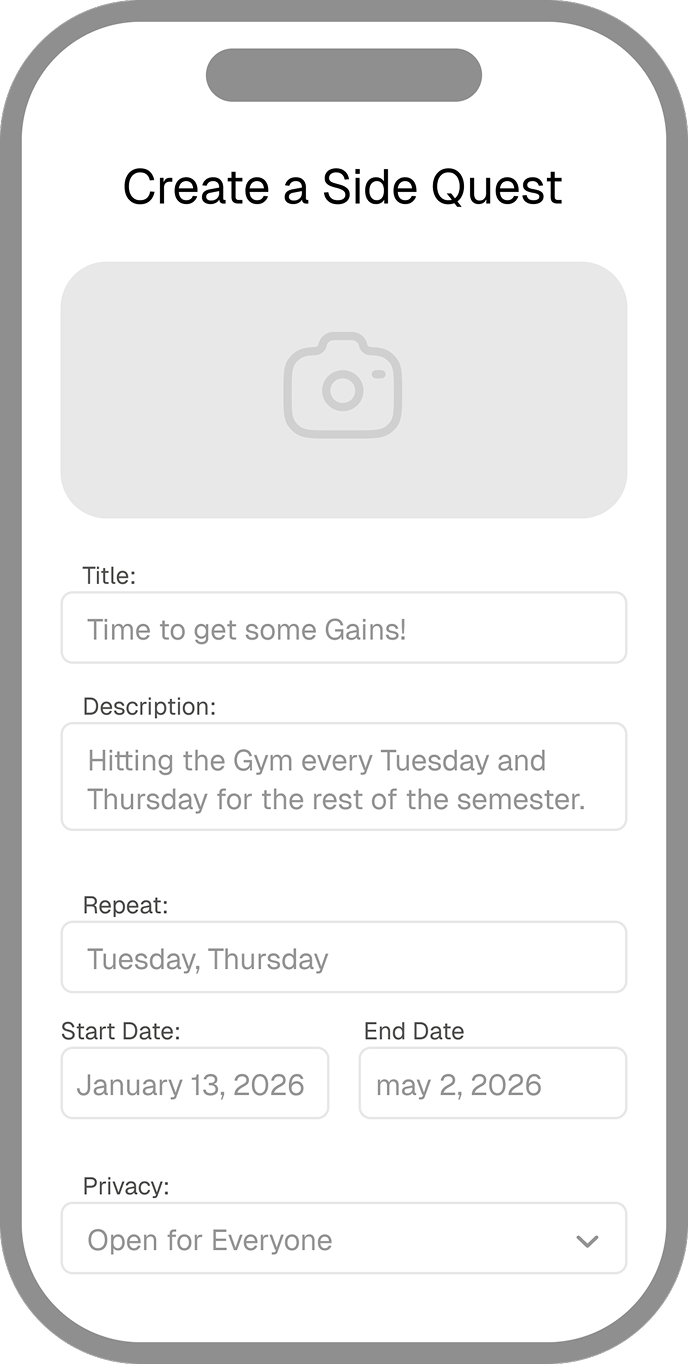
Student-created challenges designed around personal goals and habits
Create custom recurring challenges
Track progress with photo check-ins
Build personal albums of achievements
Join others or invite friends to participate
Value
Supports long-term habit formation and personal growth beyond Orientation Week
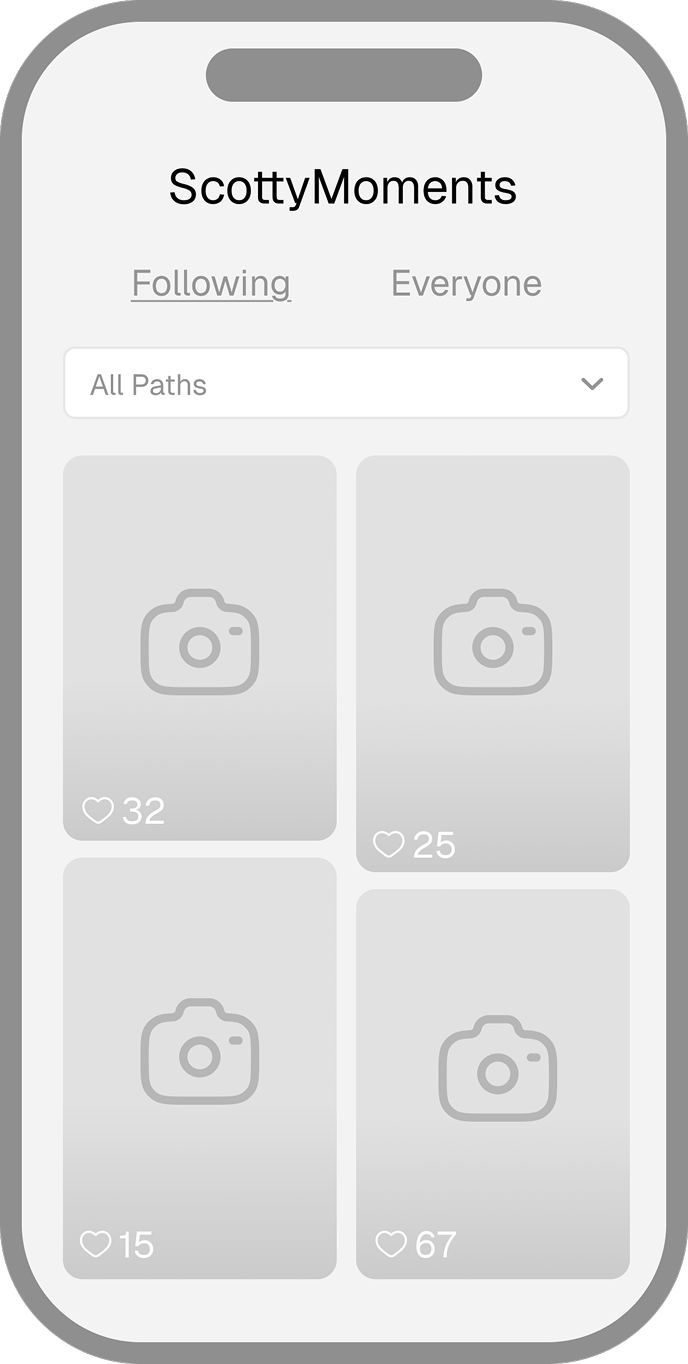
ScottyMoments
A shared space where students document and discover quest experiences
View your peer's progress and milestone photos
Explore quests and different paths others chose
Discover new challenges to join
Celebrate wins and inspire each other
Value
Creates visibility into student life and fosters a stronger sense of belonging on campus
How it All Connects
Different Paths, Shared Journey
Main Quests
Main Quests introduce students to campus life.
- 01
School pushes challenge
- 02
Students choose a path
- 03
Complete milestones
- 04
Earn XP and unlock sharing
Side Quests
Side Quests help them build habits.
- 01
Students create a quest
- 02
Track progress with photos
- 03
Build habits over time
- 04
Join others or invite friends
ScottyMoments
ScottyMoments bring it all together.
- 01
Community sees progress
- 02
Share photos and updates
- 03
Discover new quests
- 04
Everyone grows together
Iteration & Design System
To establish a scalable visual direction, I collaborated with the team to define brand keywords and create a moodboard, guided by two key design considerations.
Brand Key Words
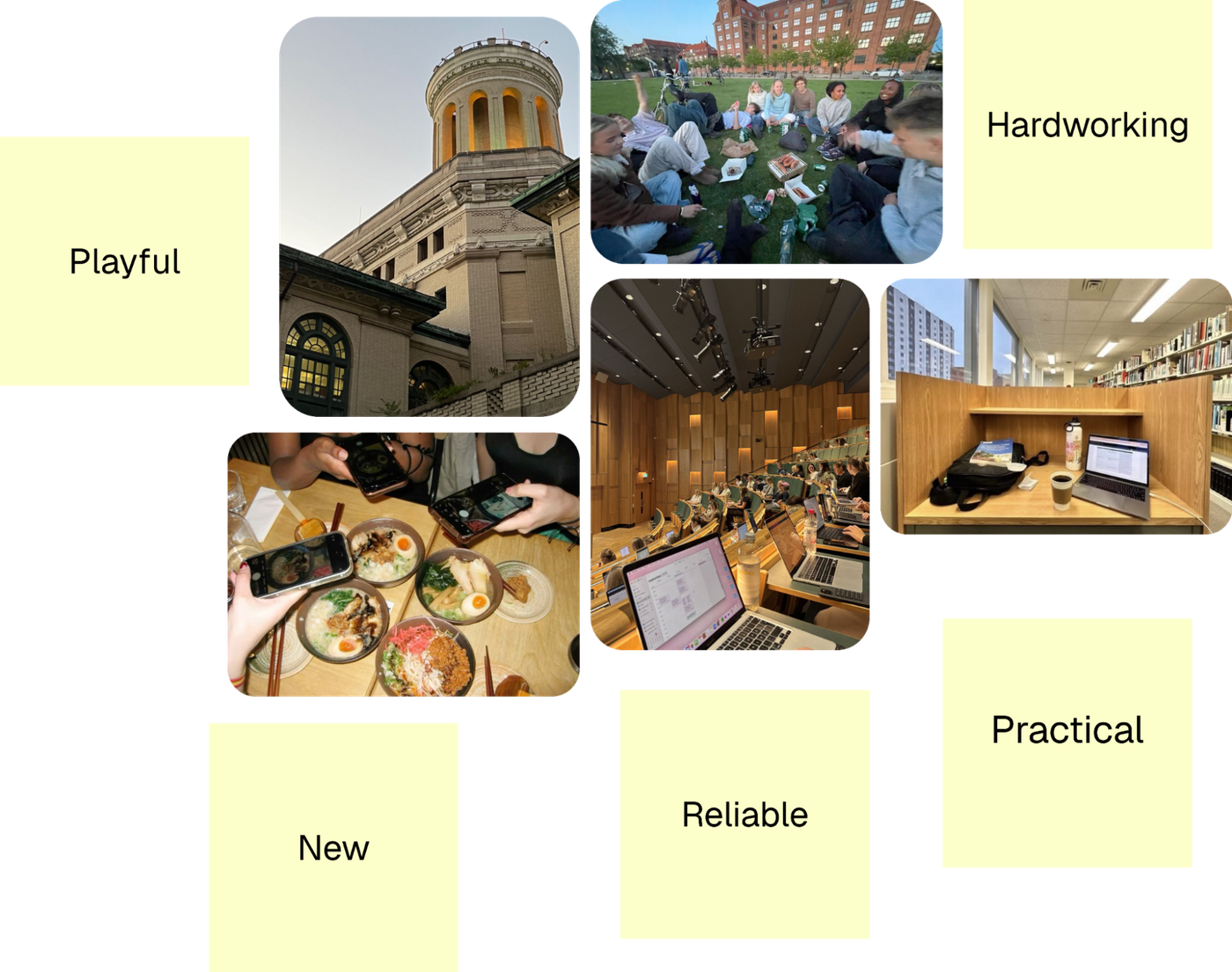
Mood Board
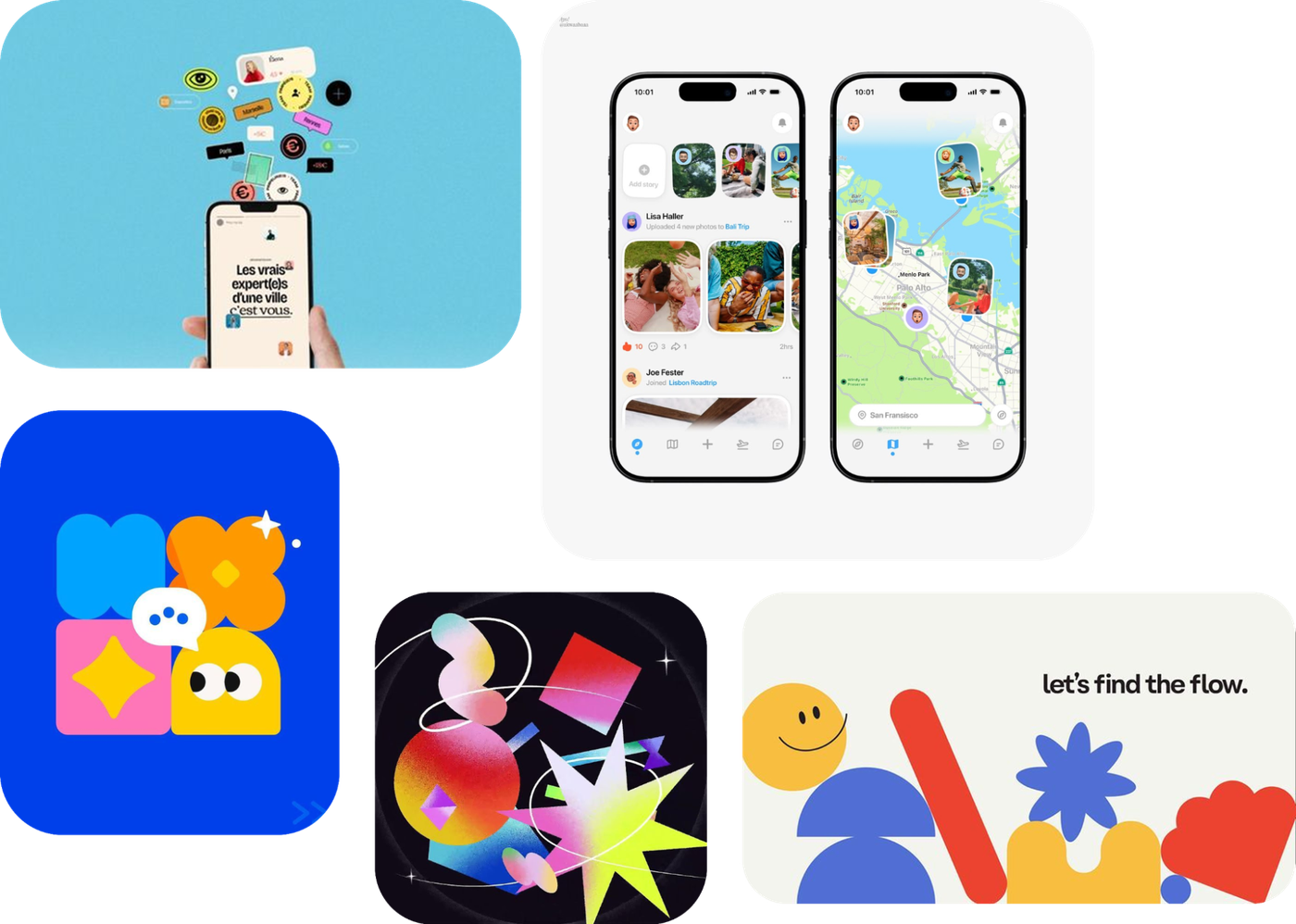
Considerations
Encourage Real-World Engagement
Digital interactions should motivate students to engage with the physical campus, fostering familiarity with spaces, resources, and the community rather than keeping them in the app
Fit Naturally into Student Life
Interactions should be lightweight, easy to complete, and compatible with students' busy schedules, making the experience feel like a helpful companion rather than another obligation
Tools and Feedback
AI-Assisted Design Process
Rather than treating AI as a shortcut, I use it as a rapid prototyping partner to explore ideas faster and spend more time validating the right solutions. Tools like Figma Make, ChatGPT, Claude, and Lovable allow me to quickly transform user flows into interactive prototypes, test multiple interaction patterns, and iterate on concepts within hours instead of days.
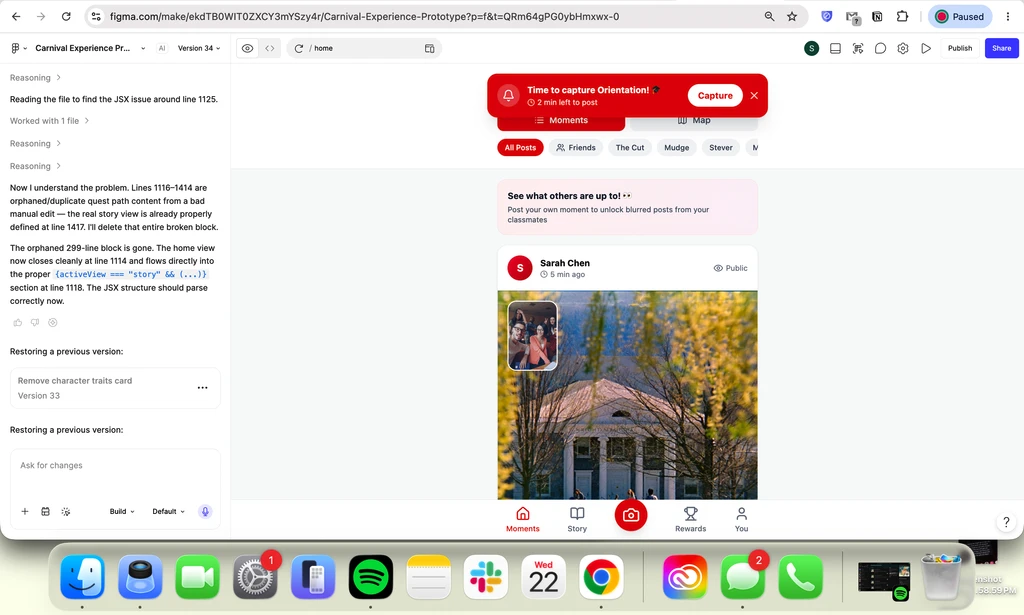
Other Features
These clips cover the rest of the prototype: Moments for sharing progress, Story for choosing a path, Rewards for tracking XP, and a profile that brings a student's year into one place.
Tools and Feedback
AI-Driven Iteration, Human-Led Design
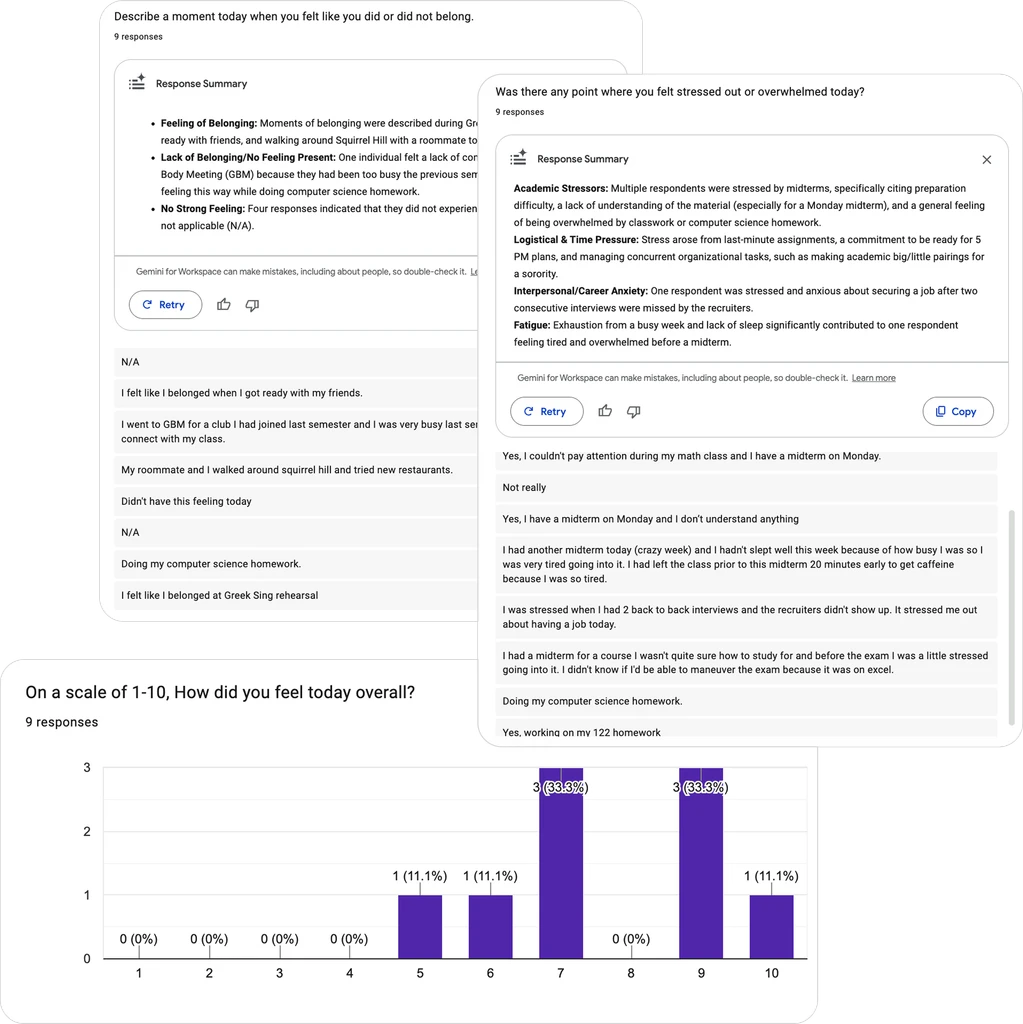
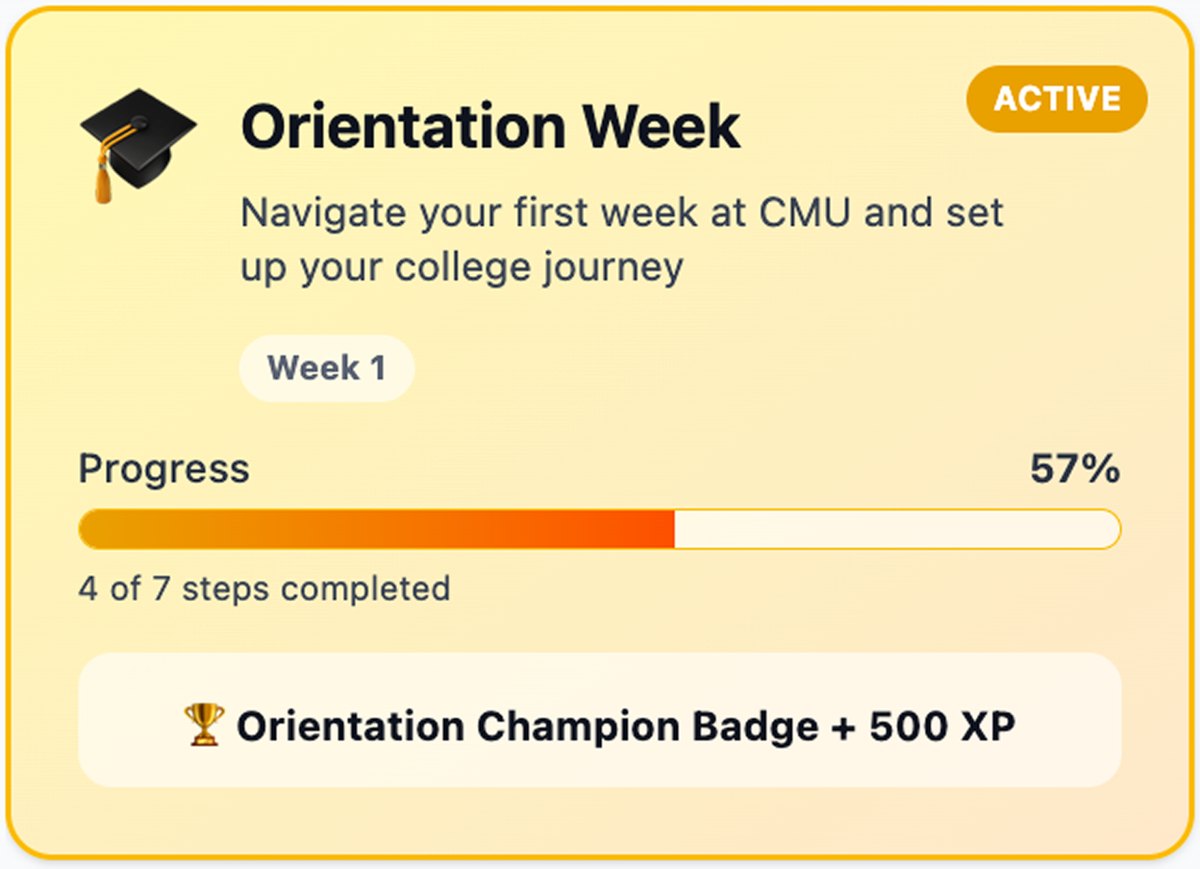
Each AI iteration was informed by diary studies with first-year students, revealing that students preferred learning through exploration and visible progress over traditional onboarding checklists. These insights guided rapid AI iteration before we transitioned to manually designing a cohesive, scalable interface.
AI - Generated
Design Iteration
Fitting into the System
AI is useful...but it's still just a tool
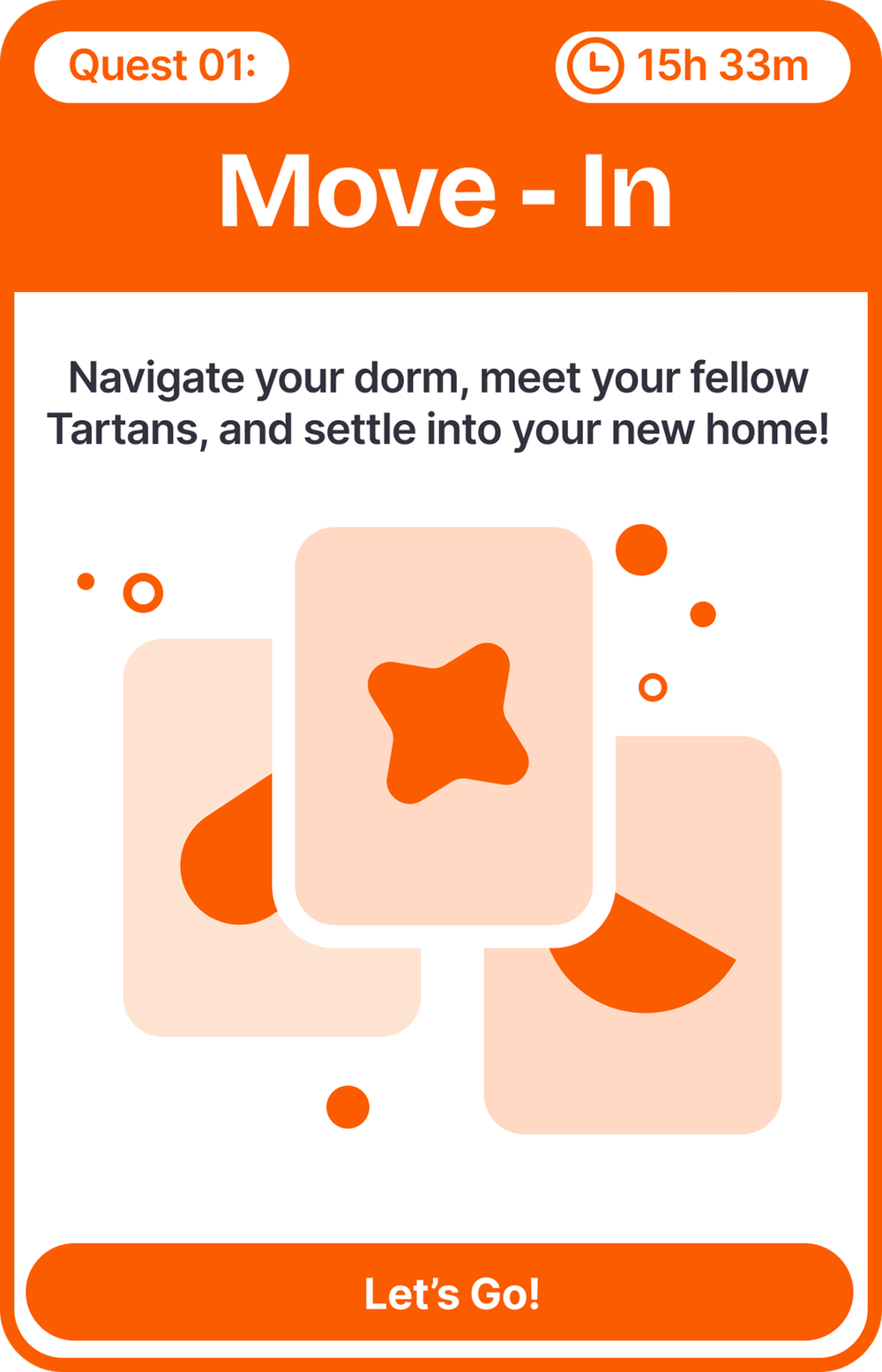
AI helped us explore concepts quickly, but it couldn't define a visual system with the consistency and flexibility needed for a growing platform. This led us to create a scalable design language centered on reusable components, adaptable content blocks, and a hierarchy that keeps information easy to scan as the product evolves.
I spearheaded the design of the interface and its components, taking inspiration from what users have mentioned in the diary studies as well as looking at the gap in the market.
Although ScottyU's functionality is distinct, its visual identity needed to reflect the expectations of CMU's tech-facing students by feeling modern, innovative, and unlike a traditional university app.
Reflection
Learning Through the Messy Middle
ScottyU taught me how much design can change when you’re building alongside a team and working with a client who is open to exploring different directions. I learned new tools as we went, adapted to feedback from students and campus partners, and became more comfortable making decisions when there wasn’t one obvious answer. More than anything, the project helped me become a more flexible and collaborative designer.